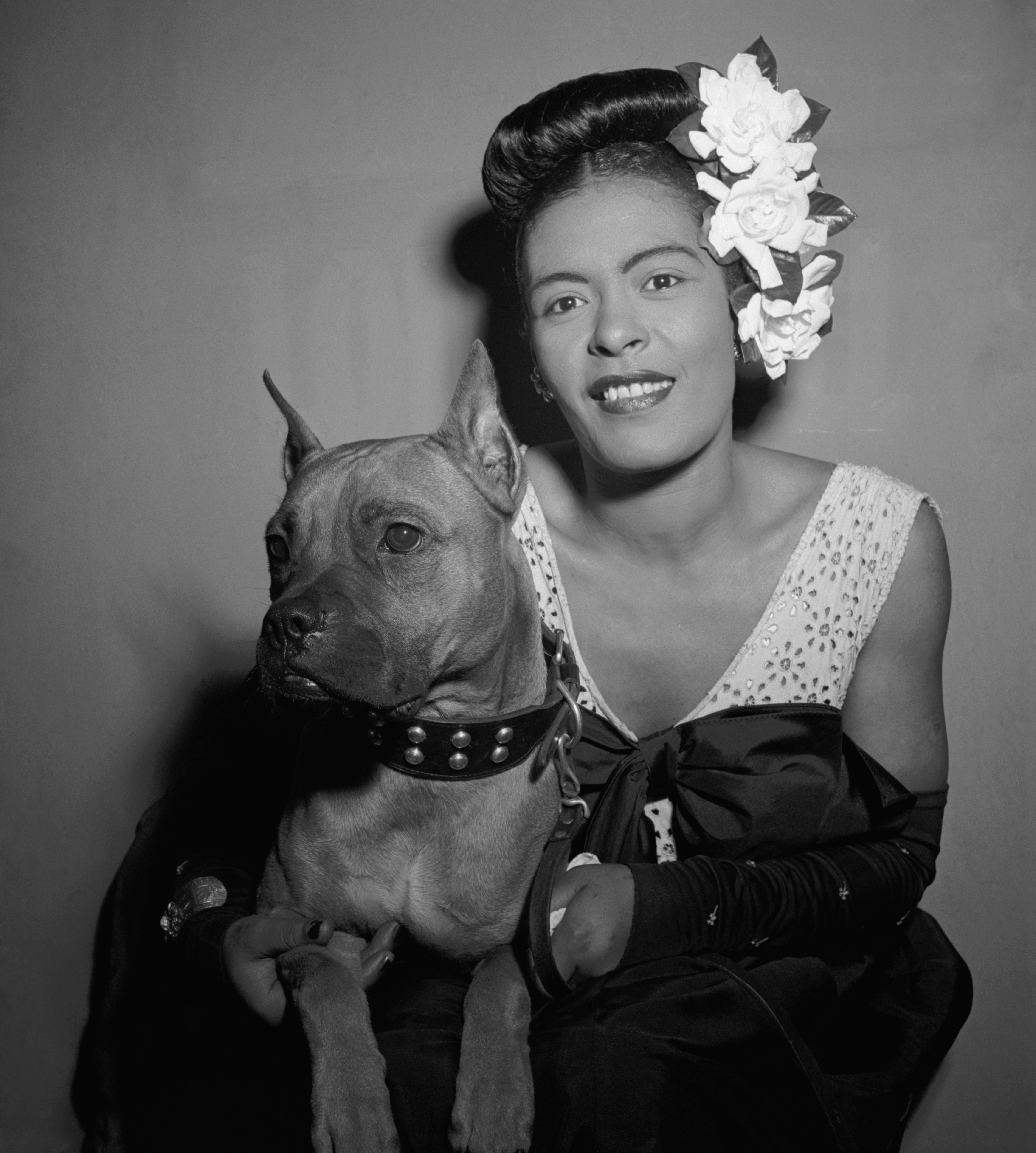
Billie Holiday Sings 'Strange Fruit'
A song about lynching, performed at Cafe Society. Columbia refuses to record it. It becomes the most dangerous song in America.

Abel Meeropol, a Jewish schoolteacher from the Bronx, penned 'Strange Fruit' as a poem after seeing a photograph of a lynching. In 1939, Billie Holiday began closing her sets at Greenwich Village’s Cafe Society with the song—performed under a single spotlight in a darkened room, followed by total silence and no encore. Columbia Records refused to record it; the independent Commodore label pressed it instead. The song is a three-minute confrontation with American racial terror, delivered without rage or pleading—just cool, devastating precision. It remains perhaps the single most important protest song in American history.
One of the most powerful protest songs in American music. Jazz as political weapon.