Jazz Noted
1960 · Free Jazz / Avant-garde · New York

Ornette Coleman: 'Free Jazz'

A double quartet improvises simultaneously with no predetermined structure. The album title names an entire movement.
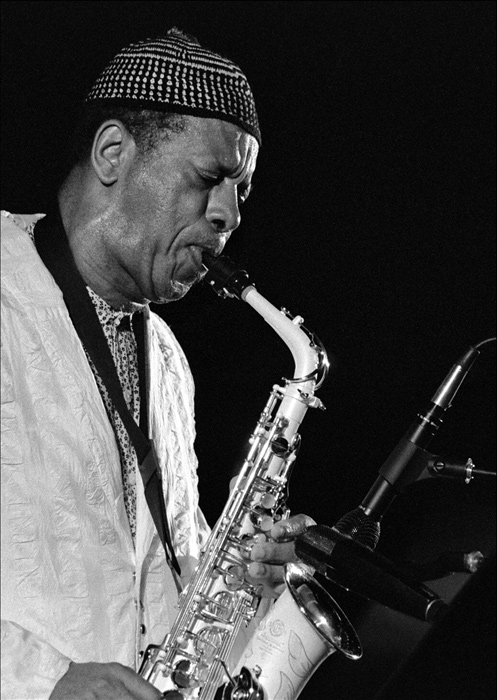
Ornette Coleman.
Ornette Coleman.

Ornette Coleman's 'Free Jazz: A Collective Improvisation,' recorded in December 1960 for Atlantic Records, was 36 minutes of continuous group improvisation by a double quartet — no chord changes, no fixed forms, no traditional soloist-rhythm section hierarchy. It was the logical extension of what Coleman had been building since his 1959 breakthrough 'The Shape of Jazz to Come.' Critics were violently divided. Miles Davis called Coleman 'all screwed up inside.' John Lewis called him a genius. The album titled an entire movement and posed the question jazz is still answering: how free can music be before it stops being music?

Named and defined free jazz. The most radical departure in the music's history.

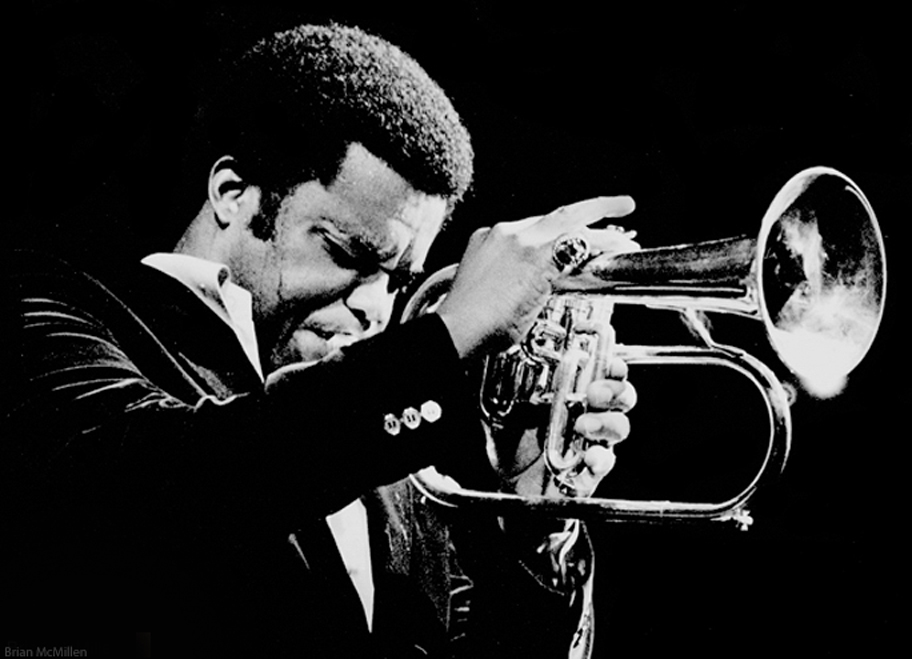
Don Cherry, Coleman's pocket trumpet partner and musical soulmate. Cherry played a miniature cornet — a Pakistani-made…
Don Cherry, Coleman's pocket trumpet partner and musical soulmate. Cherry played a miniature cornet — a Pakistani-made instrument he bought in a pawn shop — and his sound was as distinctive as Coleman's: thin, raw, searching, with a vocal quality that conventional brass players found baffling. Together they formed the front line of Coleman's quartet, playing unison melodies that sounded both ancient and futuristic. Cherry understood Coleman's harmonic ideas intuitively, responding to melodic shapes rather than chord symbols. On the 'Free Jazz' session, his trumpet wove through the double quartet's collective improvisation like a second consciousness.
Charlie Haden, Coleman's bassist, who brought a folk-song lyricism to the most avant-garde music in jazz. Haden had…
Charlie Haden, Coleman's bassist, who brought a folk-song lyricism to the most avant-garde music in jazz. Haden had grown up singing on his family's country music radio show in Iowa — he could hear melody in everything, even chaos. On the 'Free Jazz' session, he and Scott LaFaro played simultaneously as the two bassists of the double quartet, creating a churning, contrapuntal foundation underneath six horns improvising without charts. Haden later said the session was 'the most natural thing in the world — we just listened to each other.' He went on to co-found the Liberation Music Orchestra, merging free jazz with political commitment.
Freddie Hubbard, the young hard bop trumpeter who played in the second quartet on the 'Free Jazz' session. Hubbard was…
Freddie Hubbard, the young hard bop trumpeter who played in the second quartet on the 'Free Jazz' session. Hubbard was twenty-two and already one of the most technically gifted brass players in jazz — but the session pushed him outside his comfort zone. He was accustomed to chord changes and structure; Coleman asked him to abandon both. Hubbard later admitted he wasn't entirely comfortable with the concept, but his playing on the record crackles with the energy of a virtuoso reaching beyond his own boundaries. He went on to record 'Hub-Tones' and 'Red Clay,' becoming a hard bop legend — but the 'Free Jazz' session left its mark on his willingness to take risks.
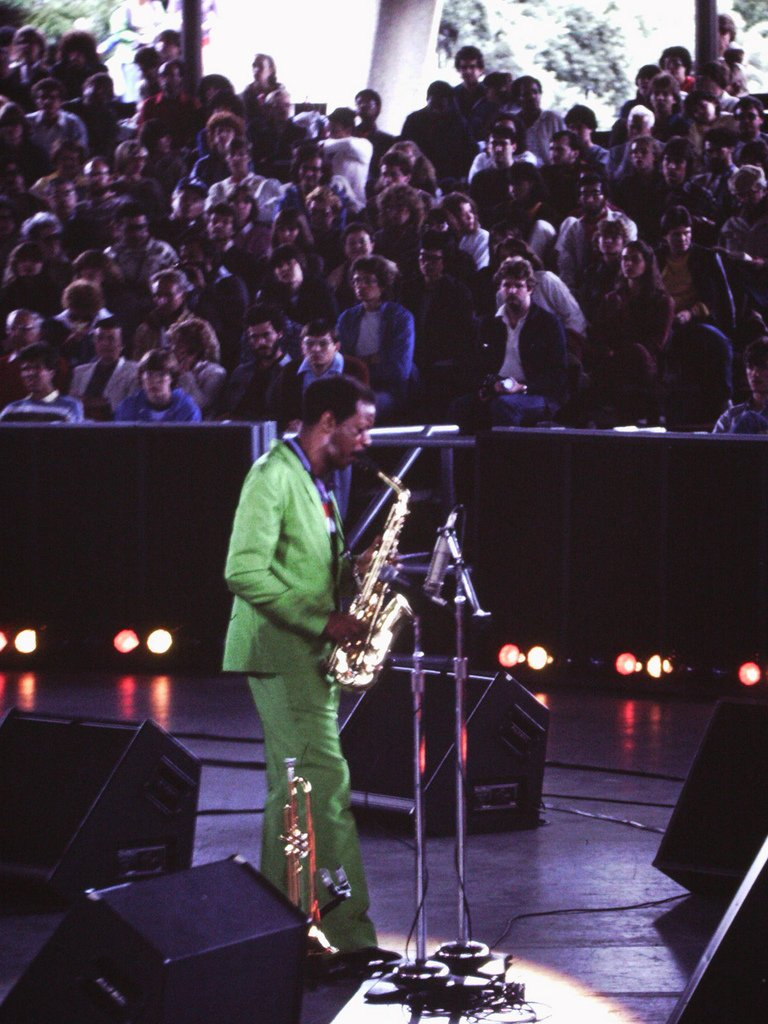
Ornette Coleman performing at The Forum, 1982. The 'Free Jazz' album — thirty-six continuous minutes of collective…
Ornette Coleman performing at The Forum, 1982. The 'Free Jazz' album — thirty-six continuous minutes of collective improvisation by a double quartet, recorded in one take on December 21, 1960 — gave an entire movement its name. Atlantic Records chose a Jackson Pollock painting for the cover, making the connection between abstract expressionism and Coleman's music explicit. The critical response was savage and celebratory in equal measure — Coleman had already provoked wildly split reviews at Down Beat, where critics couldn't agree on whether he was a genius or a fraud. Coleman didn't care about the debate. He had posed the question that jazz would spend the next sixty years answering: what happens when you remove the rules?

Listen and read more

Open in the interactive timeline →

More from Free Jazz / Avant-garde