Jazz Noted
1970 · Fusion · New York

Miles Davis: 'Bitches Brew'

Miles plugs in, turns up, and splits jazz in half. Half the audience follows. The other half never forgives him.
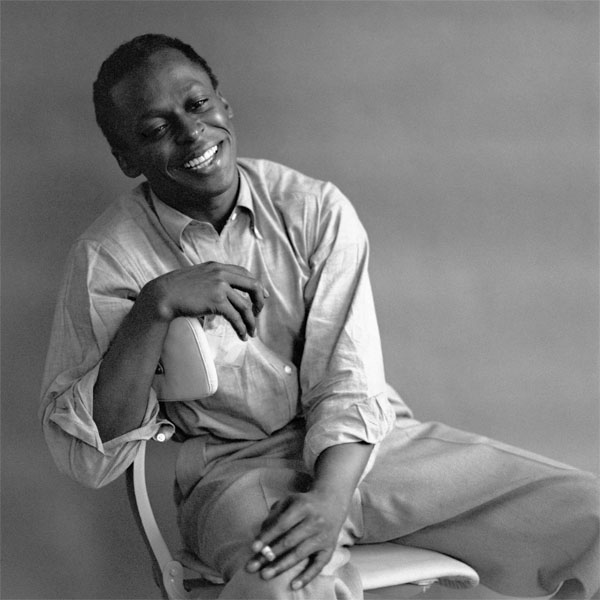
Miles Davis performing live. Photograph by Tom Palumbo.

Recorded over three days in August 1969 and released in 1970, 'Bitches Brew' was Miles Davis's most polarizing move — a double album of electric keyboards, distorted guitars, multiple drummers, and studio tape manipulation that sounded nothing like jazz and nothing like rock. It sold 500,000 copies in its first year, dwarfing any jazz release in memory. Miles had noticed that his audience was aging while Hendrix and Sly Stone drew thousands of young people. He responded by absorbing their sound and making it his own. The jazz establishment was horrified. Miles didn't care. The album launched fusion as a genre and ensured jazz would never agree on what it was again.

Created jazz fusion. Permanently divided the jazz world into acoustic purists and electric explorers.

Wayne Shorter performing with Weather Report in Amsterdam, 1980. On 'Bitches Brew,' Shorter played soprano saxophone …
Wayne Shorter performing with Weather Report in Amsterdam, 1980. On 'Bitches Brew,' Shorter played soprano saxophone — its piercing, snake-charmer tone cutting through the electric murk like a signal flare. He had been Miles's musical director since 1964, the quiet intellectual whose compositions ('Nefertiti,' 'Footprints') had already pushed the second great quintet toward abstraction. After 'Bitches Brew,' Shorter co-founded Weather Report with Joe Zawinul, taking fusion in a more compositionally sophisticated direction. Miles always said Shorter was the greatest living musician. Few argued.
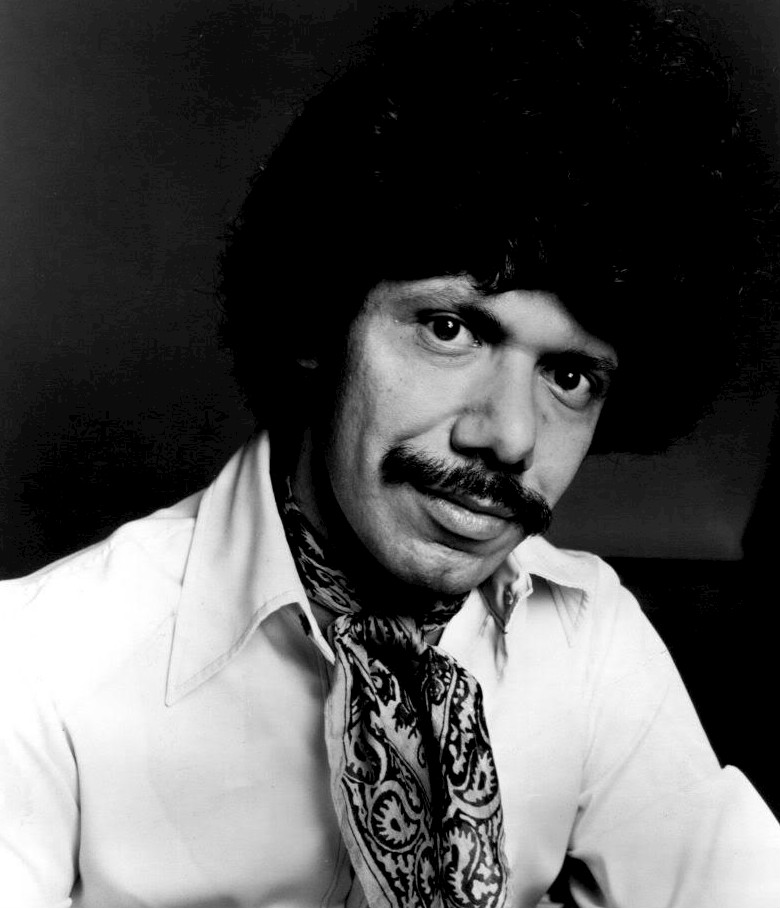
Chick Corea, 1976. On the 'Bitches Brew' sessions, Corea played electric piano alongside Joe Zawinul — two keyboards…
Chick Corea, 1976. On the 'Bitches Brew' sessions, Corea played electric piano alongside Joe Zawinul — two keyboards creating a shimmering, dissonant wash underneath Miles's trumpet. Corea was twenty-eight, classically trained, and ready to explode. Within a year of the sessions he would form Return to Forever, one of fusion's most virtuosic bands. But on these dates, Miles didn't want virtuosity — he wanted texture, atmosphere, sound. Corea later said the sessions were 'controlled chaos. Miles would point at you and you'd play. He'd wave his hand and you'd stop. That was the chart.'
John McLaughlin at the Berkeley Jazz Festival, 1980. The English guitarist was a last-minute addition to the 'Bitches…
John McLaughlin at the Berkeley Jazz Festival, 1980. The English guitarist was a last-minute addition to the 'Bitches Brew' sessions — Miles had heard his playing on a Tony Williams session and called him in. McLaughlin's distorted, rock-inflected guitar gave the album its most confrontational edge: the opening of 'Pharaoh's Dance' sounds like a blues being electrocuted. McLaughlin went on to form the Mahavishnu Orchestra, pushing fusion to its technical and spiritual limits. But his entrance into Miles's universe was the moment jazz plugged in and refused to unplug.
Miles Davis on stage, 1987. 'Bitches Brew' sold half a million copies in its first year — numbers unheard of for a…
Miles Davis on stage, 1987. 'Bitches Brew' sold half a million copies in its first year — numbers unheard of for a jazz record, let alone one this strange. Miles played the Isle of Wight Festival alongside Hendrix, opened for rock bands, and wore dashikis and sunglasses. The jazz establishment called it a betrayal. Miles called it survival. Nearly every major fusion act of the 1970s — Weather Report, Return to Forever, Herbie Hancock's Head Hunters, the Mahavishnu Orchestra — was launched by musicians who passed through these sessions. Miles had done it again: burned down the house he'd built, and from the ashes, an entire genre emerged.

Listen and read more

Open in the interactive timeline →

More from Fusion