Jazz Noted
1975 · Fusion · International

Keith Jarrett: The Köln Concert

Jarrett almost cancels because the piano is terrible. He plays the most commercially successful solo jazz album in history instead.

Keith Jarrett performing live.

Keith Jarrett nearly refused to perform at the Köln Opera House on January 24, 1975. The piano was a backstage practice instrument — too small, with sticky keys, weak upper registers, and broken pedals. Exhausted and in pain from a back brace, Jarrett agreed to play only because the concert's young organizer, Vera Brandes, begged him. What followed was 66 minutes of entirely improvised solo piano that became the best-selling solo jazz album in history — over 4 million copies. The limitations of the instrument forced Jarrett into the lower and middle registers, producing a warmth and repetitive intensity that connected with listeners far beyond the jazz audience. It proved that jazz's most transcendent moments often come from constraint, not freedom.

Best-selling solo jazz album in history. Born from a broken piano and sheer determination.
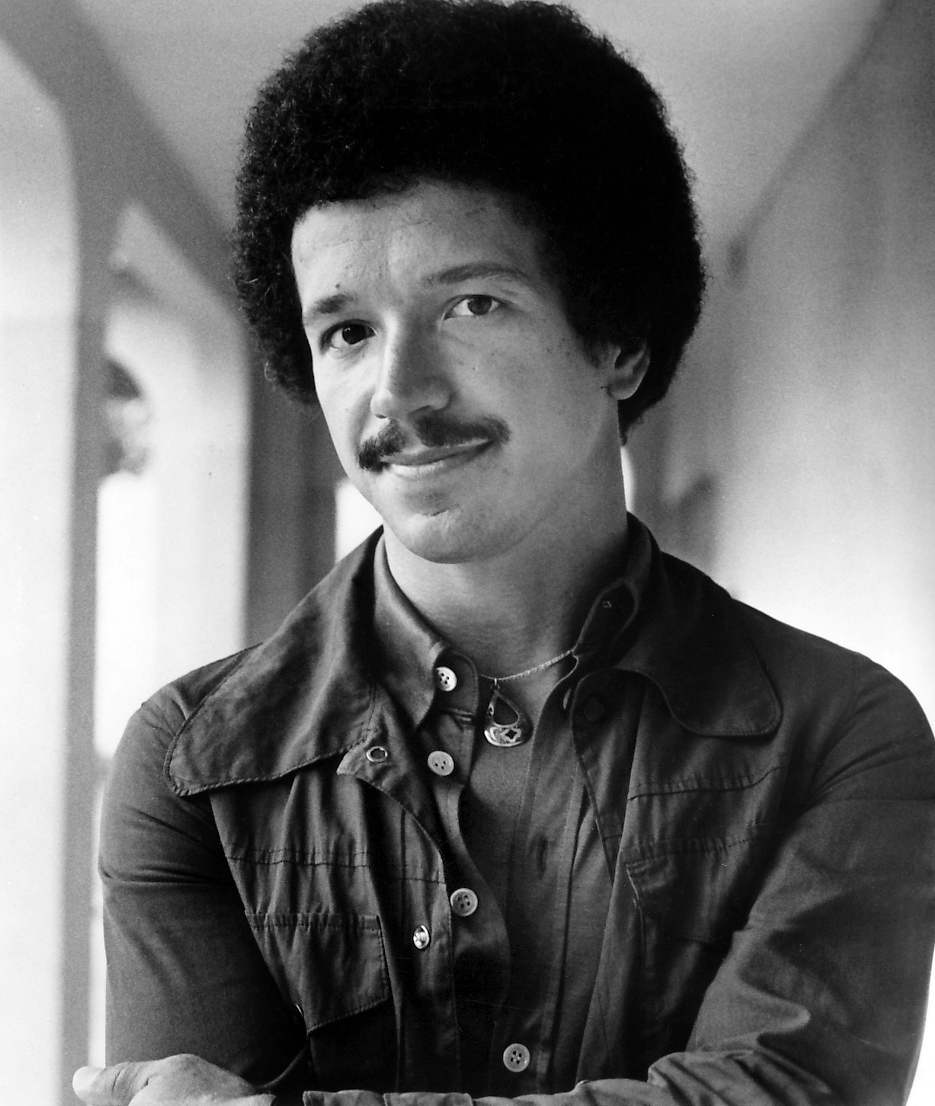
On the night of January 24, 1975, everything went wrong. He arrived at the Köln Opera House exhausted, in chronic back…
On the night of January 24, 1975, everything went wrong. He arrived at the Köln Opera House exhausted, in chronic back pain from a brace he wore constantly, having driven for hours through Germany. The piano waiting for him was not the full concert grand he had requested — instead, a smaller Bösendorfer, poorly maintained, with sticky keys, failing pedals, and a thin, tinny sound in the upper registers. Jarrett told the concert's seventeen-year-old organizer, Vera Brandes, that he couldn't play it. She begged. He relented — largely because the ECM recording equipment was already set up.
Keith Jarrett in performance, displaying the physical intensity that became his signature — standing, swaying…
Keith Jarrett in performance, displaying the physical intensity that became his signature — standing, swaying, vocalizing alongside his own playing. On the Köln recording, you can hear him moaning and singing throughout, his body as engaged as his fingers. The broken piano forced him into the lower and middle registers, away from the weak treble, producing a warmer, more repetitive, more hypnotic sound than his usual approach. The constraints of the instrument — the very thing that almost made him cancel — pushed him toward the album's most distinctive quality: a patient, mantra-like intensity that connected with millions of listeners who had never bought a jazz record before.
The Keith Jarrett Trio — Jarrett with bassist Gary Peacock and drummer Jack DeJohnette — performing in Montreal, 2007.…
The Keith Jarrett Trio — Jarrett with bassist Gary Peacock and drummer Jack DeJohnette — performing in Montreal, 2007. After the Köln Concert's extraordinary success (over four million copies sold, making it the best-selling solo jazz album and the best-selling solo piano album in history), Jarrett continued both his solo improvised concerts and his Standards Trio with Peacock and DeJohnette, which became the most celebrated piano trio in modern jazz. The trio played together for over three decades, bringing the same spontaneity of Köln to the Great American Songbook — every performance unique, every night a high-wire act.
Bill Evans, 1961 — the pianist whose lyrical, introspective approach to the instrument profoundly shaped Jarrett's…
Bill Evans, 1961 — the pianist whose lyrical, introspective approach to the instrument profoundly shaped Jarrett's aesthetic. Jarrett rarely acknowledged the debt directly, but the lineage is audible: Evans's harmonic sophistication, his use of space, his treatment of the piano as an intimate instrument rather than a percussive one, all flow through the Köln Concert's more reflective passages. The difference was scale: Evans worked in the miniature, crafting three-minute gems; Jarrett worked on the canvas of an entire evening, building vast improvised architectures that Evans never attempted. The Köln Concert proved that a solo piano could fill a concert hall — and four million living rooms — with nothing but spontaneous invention.

Listen and read more

Open in the interactive timeline →

More from Fusion