Jazz Noted
1961 · Hard Bop & Modal · New York

Bill Evans Trio at the Village Vanguard

The most intimate piano trio recordings ever made. Bassist Scott LaFaro will be dead in a car crash eleven days later.
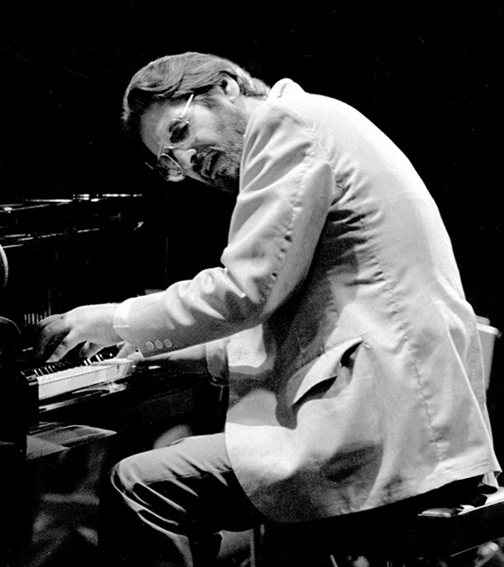
Bill Evans at the Montreux Jazz Festival, 1978.

On June 25, 1961, the Bill Evans Trio — Evans on piano, Scott LaFaro on bass, Paul Motian on drums — played five sets at the Village Vanguard, two in the afternoon and three in the evening, and Riverside Records recorded them all. The resulting albums, 'Sunday at the Village Vanguard' and 'Waltz for Debby,' captured a level of telepathic interplay that redefined the piano trio format: LaFaro's bass was a co-equal melodic voice, not a timekeeper, and the three musicians seemed to breathe as one. Eleven days after the recording, LaFaro died in a car accident at 25. Evans was devastated and didn't perform for months. The recordings became sacred texts of jazz — beauty shadowed by tragedy.

Reinvented the piano trio. LaFaro's death eleven days later cast the recordings in permanent shadow.

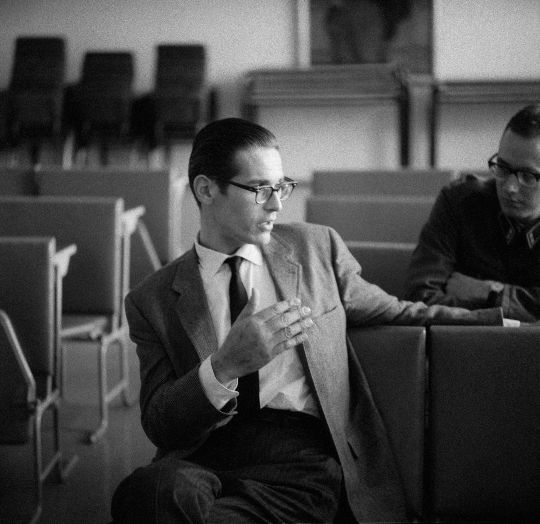
Bill Evans, 1961. By this point Evans had already changed jazz piano once — his voicings on Miles Davis's 'Kind of…
Bill Evans, 1961. By this point Evans had already changed jazz piano once — his voicings on Miles Davis's 'Kind of Blue' in 1959 helped define modal jazz. But with his own trio, he was attempting something even more radical: a piano trio where bass and drums were equal partners in conversation, not accompanists. The traditional jazz hierarchy — soloist on top, rhythm section supporting — was dissolved. In its place, three musicians listened to each other with a telepathic sensitivity that had no precedent.
Bill Evans, 1964. On June 25, 1961, Riverside Records brought a two-track tape machine into the Village Vanguard to…
Bill Evans, 1964. On June 25, 1961, Riverside Records brought a two-track tape machine into the Village Vanguard to record the trio's Sunday afternoon and evening sets. The resulting albums — 'Sunday at the Village Vanguard' and 'Waltz for Debby' — captured a level of interplay so intimate it sounds like three people sharing a single thought. Evans's touch was feather-light, harmonically rich, drawing from Debussy and Ravel as much as from Bud Powell. He played with his head bowed close to the keys, as if whispering to the piano. The audience that Sunday was small — you can hear glasses clinking, quiet conversation. No one in the room knew they were witnessing history.
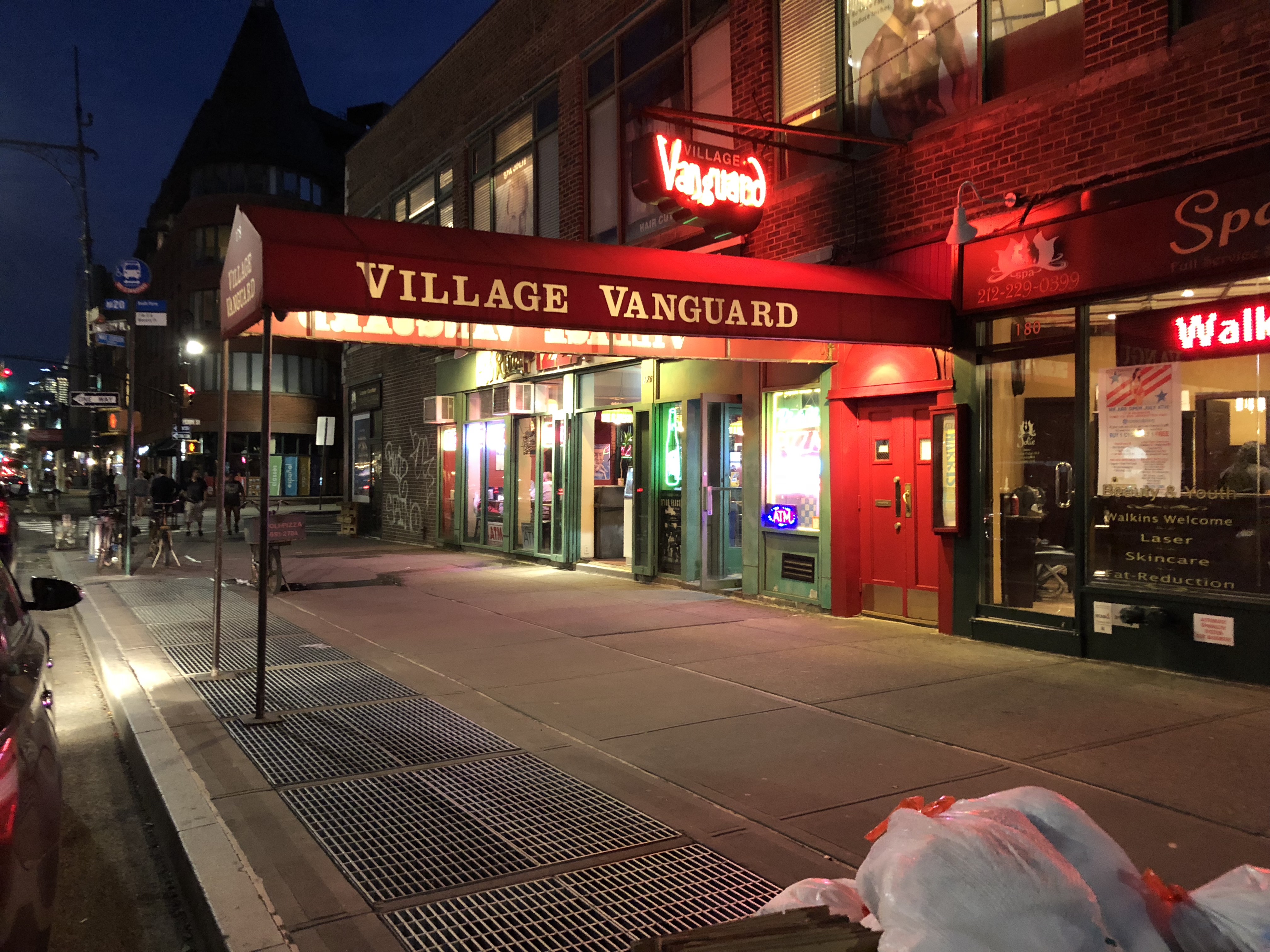
The Village Vanguard, Seventh Avenue South, Greenwich Village — the triangular basement room where the Evans Trio…
The Village Vanguard, Seventh Avenue South, Greenwich Village — the triangular basement room where the Evans Trio recordings were made. Opened by Max Gordon in 1935, the Vanguard became the most important jazz club in the world, a room so acoustically perfect and intimate that recordings made there have a quality no studio can replicate. The club has operated continuously for nearly ninety years, presenting live jazz seven nights a week. The piano Evans played that Sunday still sits in essentially the same position. The room holds about 125 people. On June 25, 1961, it held three musicians who changed the language of the piano trio forever.
Paul Motian (right) performing decades later with Bill Frisell and Joe Lovano. Motian was the Evans Trio's drummer …
Paul Motian (right) performing decades later with Bill Frisell and Joe Lovano. Motian was the Evans Trio's drummer — though 'drummer' barely describes what he did. He played with brushes and mallets more than sticks, creating textures and colors rather than rhythms, responding to Evans and LaFaro with a sensitivity that made the trio sound like a single organism. After LaFaro's death, Motian continued evolving, eventually becoming one of the most influential drummers in modern jazz, leading his own groups that included Frisell and Lovano. He carried the Evans Trio's legacy of listening — of making space, of serving the music rather than displaying technique — for the rest of his life.

Listen and read more

Open in the interactive timeline →

More from Hard Bop & Modal